Exploring the nutritional differences between refined and whole grain carbohydrates
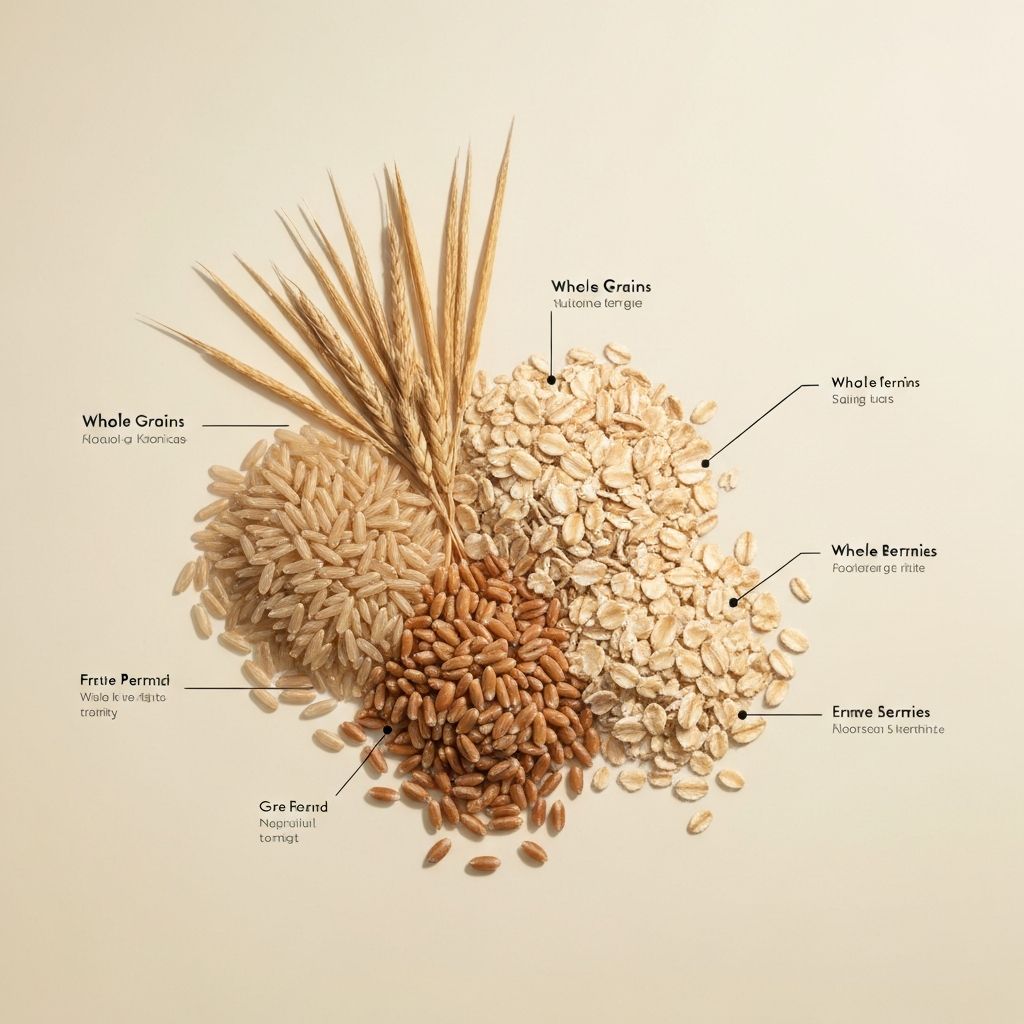
Whole grain products retain all parts of the grain kernel - the bran, germ, and endosperm. Refined grain products have had the bran and germ removed, retaining primarily the endosperm.
This difference affects both nutritional content and how the body processes these foods over time.
Whole grains contain:
Refined grain products are typically:
Including whole grains as part of a varied diet can contribute to meeting daily fiber and micronutrient needs. Many dietary guidelines recommend incorporating whole grains as part of carbohydrate intake.
Understanding the difference between whole and refined grains allows for informed choices based on individual preferences and dietary goals.
This article provides educational information about grain products and carbohydrate nutrition. It does not constitute medical advice. Individual nutritional needs vary, and dietary decisions should be based on personal circumstances and professional guidance when needed.