Understanding the importance of dietary diversity and essential vitamins and minerals
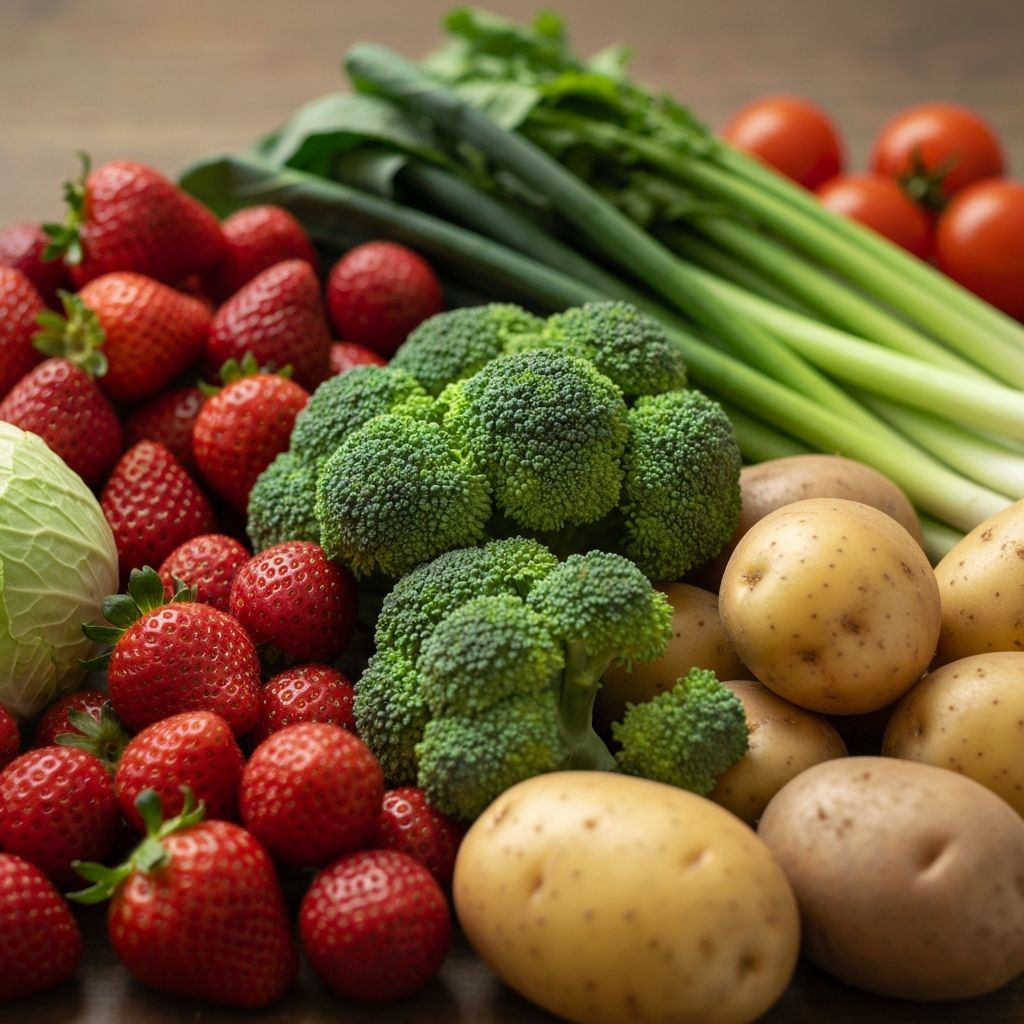
Vegetables and fruits provide essential vitamins, minerals, and phytochemicals that support various bodily functions. Different colored produce contains different nutrient profiles.
Dietary diversity ensures access to the full spectrum of micronutrients needed for health and cellular function.
B vitamins and vitamin C are water-soluble and must be obtained regularly through diet. They support energy metabolism, immune function, and various cellular processes. These are abundant in fruits, vegetables, and whole grains.
Vitamins A, D, E, and K are fat-soluble and are stored in body tissues. They support vision, bone health, antioxidant function, and blood clotting. These are found in varied plant and animal sources.
Minerals such as calcium, iron, magnesium, and potassium support bone structure, oxygen transport, energy production, and nerve function. Different food sources provide varying mineral profiles.
Including a variety of vegetables and fruits across the spectrum of colors ensures comprehensive micronutrient intake. Seasonal and locally-available options support variety while reducing environmental impact.
Understanding nutritional diversity allows for flexible meal planning that meets nutritional needs while accommodating individual preferences and cultural practices.
This article provides educational information about micronutrients and dietary diversity. It does not constitute medical advice. Individual nutritional needs vary based on age, activity level, and health status. For personalized dietary guidance, consult qualified healthcare professionals.